Months After the "Ceasefire",
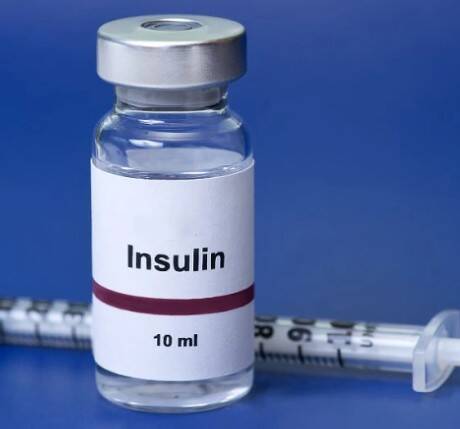
Insulin Access Still a Problem
The siege has only loosened, and medicines are not getting into Gaza. The little there is of normal or underground trade does not remotely cover the need. Aid from international charities is spotty, subject to the whims of the Israeli government.
The excuse was always that medicines couldn't come freely into Gaza because of "the Israelis held by Hamas". Yet all the living people taken by Hamas and other groups were returned by Oct. of 2025. Still medicine is withheld.
Insulin access has been a problem for over two years.
Insulin must be let into Gaza freely. NOW.
Newest
From a Feb. 16, 2026 article in T1 International entitled:
Voices from Gaza: Rationing Expired Insulin and No Test Strips
"All interviewees described weathering famine and severe malnutrition. Each interviewee was forced to eat animal feed and bug-infested flour. Sustained exposure to such horrific conditions in Gaza, combined with the complete breakdown of access to medical care has caused severe physical and psychological harm. In some cases, it has been fatal. In others, it has left survivors with lifelong and irreversible complications resulting from enforced insulin rationing and prolonged hyperglycaemia.
Today, despite the peace agreement signed in October 2025 and the supposed ceasefire, the reality on the ground is even more alarming. International attention has faded, humanitarian access remains fragmented and unreliable, and Gaza’s health system has collapsed with no meaningful signs of recovery."
Click here to read the whole article.
^^^^^^^^^^^^^^^^^^^^^^^^^^^^^^^^^^^^^^^^^^^^^^^^
Earlier articles about the situation
No Spoonful of Sugar - Gaza Has Become a Killing Field - UNRWA, August 2025
"Children with type 1 diabetes need multiple daily insulin injections. But sometimes, insulin works too strongly, causing hypoglycemia—a drop in blood sugar that can lead to unconsciousness and even death. Yet with just a bit of sweet juice, candy, or sugar, it can easily be prevented or treated. Even when life-saving insulin is available, there’s no sugar to stop the side effects. What wouldn’t even be a problem in a normal world is now a deadly reality in Gaza. It’s unbearably cruel."
A World Health Organization study from 2025
Diabetes in the Shadow of Conflict: Understanding and Addressing the Crisis in Gaza - JAPA Academy Journal Jan.-March 2025
"Diabetic patients, like other patients with chronic diseases in Gaza, suffer from the scarcity of medications. In the United States, DM patients typically use about 5.9 different medications. Patients may require statins, angiotensin-converting enzyme (ACE) inhibitors, sulfonylureas, alpha-glucosidase inhibitors, and insulin, in addition to other medications required to manage concurrent comorbidities.[18] The entry of medicines, including insulin pens, into the Gaza Strip has proven to be a difficult topic due to circumstances surrounding the matter."
Gaza’s Insulin Crisis: How Diabetics Are Fighting to Survive - Newsweek
"Abdallah Alabadla remembers the night he thought he was going to die. The college student had fled his home in Gaza City for Khan Younis, a place he thought would be safer. But soon after arriving, he found the city emptied of critical medical supplies.
'I went to every pharmacy in the area where I was staying, desperately looking for insulin,' he said in a phone interview from Cairo, where he evacuated in March. 'I thought I was going to die because I didn't find it. I don't know how to describe it. It was a horrible moment.'"...
"Insulin is one of the medicines in "acute shortage" in Gaza, according to the World Health Organization, recalling a time before the advent of insulin therapy, when having diabetes—today considered a treatable condition—almost always meant a death sentence within a matter of days or weeks.
Alabadla and others say they have gone to extreme measures to survive the shortage. They now frequently switch between multiple types of insulin based on availability rather than what is recommended for their unique needs, use expired insulin or resort to insulin rationing—a potentially fatal practice."
One Palestinian's Experience- Anas Arafat (from the site Promoting Enduring Peace)
Over the past few years, you've seen many pictures of Anas in Gaza working with Plant the Land. We took part in a fund raiser to get him successful eye treatment in Egypt that grew out of sporadic access to insulin. He has remained in Gaza City with as many as 300,000 others. We've told you about fundraisers for his organization since.
What we haven't talked about is the toll on his body of being totally without insulin since October. In pictures he looks OK but HbA1c is over 12. We asked a doctor what the lack of insulin does to someone with his conditions. Please at least skim this. [Note, we put words in boldface for emphasis.]
"Normal blood sugar is about 70-100 mg/dL. When it is higher than that for extended or repeated episodes it causes deposits of sugar-based molecules on red blood cells. The level of these deposits, which are known as HbA1c can be measured and used to estimate what the average blood sugar has been over the previous weeks. A normal HbA1c should be around 5.5 or less. An HbA1c of 6.0 corresponds to an average blood sugar of 115. 9.0 corresponds to 215, and 12.0 indicates an average blood sugar of 315. 12.2 HbA1c is clearly in the danger zone and here’s why.
Blood sugars that are elevated cause damage to blood vessels, especially the tiny blood vessels that supply blood to nerves, the retina, and nephrons which are the functional units of the kidneys. Prolonged exposure to high blood sugars results in harmful deposits in these tiny arteries which over time causes them to get blocked up and quit supplying blood to the structures that they support.
· In the retina this results in blindness. It also causes cataracts, malformations of the lens of the eye, and blurry vision even if the retina is still functioning relatively well.
· In the kidneys there are 2 million nephrons. As their function progressively diminishes, the kidneys are no longer able to get rid of excess water and the normally occurring toxins that they filter from the blood. This results in kidney failure and is the number one cause for which people are on dialysis. In addition, the kidneys make a hormone that stimulates the bone marrow to make red blood cells and when it is gone, the person develops worsening anemia.
· In the brain, overall blood supply is reduced resulting in decreased mental function. There is also damage to larger arteries which develop plaques that can cause sudden obstruction of parts of the brain resulting in strokes.
· As individual nerves experience decreased blood supply they begin to malfunction resulting in the numbness and tingling of the extremities which is known as diabetic neuropathy. Over time, the loss of feeling in the feet results in increased injury even from minor causes resulting in poor healing, infection, and a high risk of amputation.
· The heart also suffers from damaged blood vessels and people with poorly controlled diabetes have much higher risk of heart attacks.
These things can and do occur very frequently in people with poorly controlled diabetes. In someone who has diabetes with no access to insulin and very limited access to clean drinking water, an HbA1c of 12 signifies the presence of a metabolic timebomb. A minor infection, a bout of diarrhea, or any other acute condition which can worsen dehydration and stress on the immune system can rapidly lead to a diabetic coma and death. This is a grave situation."
We have tried to get insulin to him through many different agencies, but Israel controls north Gaza and lets very very little in. What can be done? First, get Israel to stop its war and get out of Gaza. Then people can flood the area with food and medicine. Please devote yourself to that cause.
Create Your Own Website With Webador